The eternal magic of Halloween
“Letti,” I hear you say. “Halloween was ages ago!” Yes, you are right. But, I was prompted to write this when I played a game named Sinister Halloween, which I for some reason played at the end of November. It tried to have little tidbits of information about Halloween in the game, but they were somewhat lacking, so I thought, why not take this opportunity to ramble about something I love.
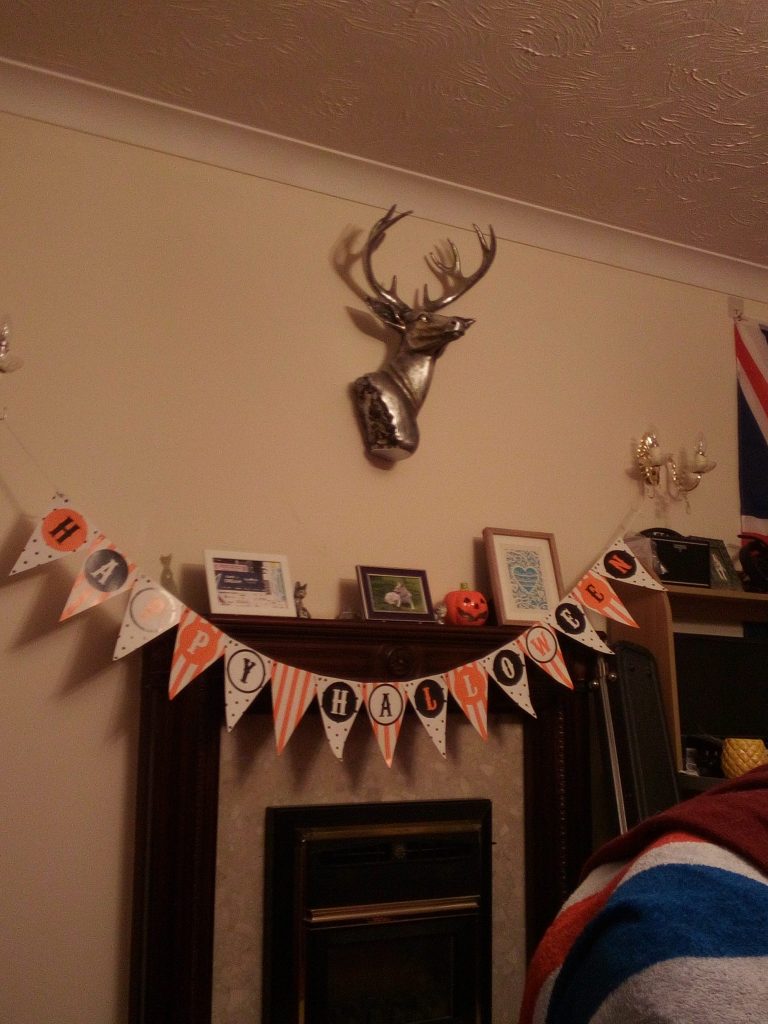
Where does Halloween come from?
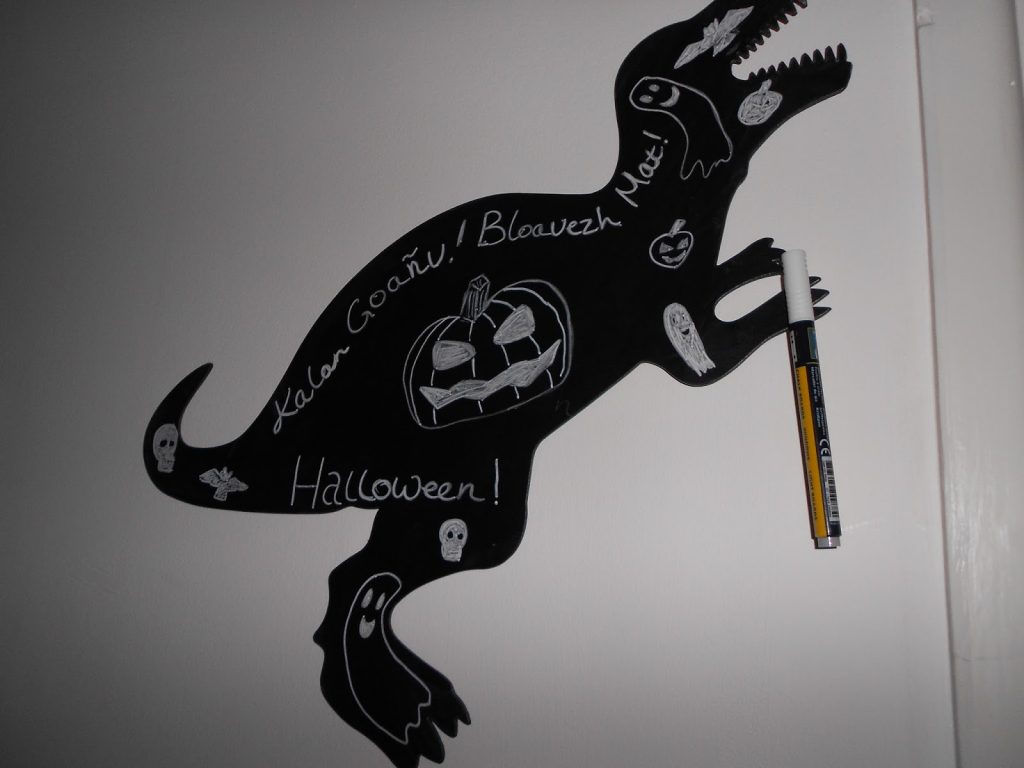
Halloween comes from an ancient Celtic festival named Samhain (pronounced sow-in); my Celtic background is from Brittany so I also know it as Kalan Goañv (pronounced like gwayve). Celtic people are not monolithic, so a few different names and traditions are associated with Samhain.
Astronomically, Samhain/Halloween occurs around the 4th cross-quarter day in the Northern Hemisphere.

In the southern hemisphere, it would make sense for Halloween to be celebrated around April 30th instead, but it seems it is usually celebrated at the same time as the northern hemisphere. I am from the northern hemisphere, so I am not very knowledgeable on this.
I’ve always liked this 15 year-old video for being a quick and decent explanation of Samhain:
What are the basics of Samhain?
I can only really answer this according to my own background. You may have heard about “the veil” being “thin.” Yes, it is believed that the barrier between the living and the dead becomes much thinner at this time of year. You are much more likely to be able to see or interact with the dead, or entities from other worlds. It is also possible that those who died since the last Samhain, may move on to another life. But they also might not.
Veneration of the dead is very important. I have no biological family, so for me this isn’t about specific ancestors, more the honouring of deceased loved ones in general.
There are differences in how long the festival is celebrated; for some, it is only 24 hours, or one evening. Traditionally, I used to celebrate from around the 30th October to the 3rd of November, but the 31st was the big day, because that’s Noz an Anaon, the night of the dead. I remember hearing about people celebrating for 10 days. Samhain can be seen as the New Year, and I used to consider it mine, but these days it is much easier to stick with the Gregorian calendar everyone else is using.
The changing seasons of the year are seen by some as a battle between Cernunnos, the horned deer god, and the Holly King. Cernunnos loses the fight on the Summer Solstice, and then the days become shorter, as he finally dies completely at Samhain. He is then reborn on the Winter Solstice.
A related aspect to all this is the legend of the Wild Hunt, also known as the Mesnée d’Hellequin. This is the origin of my maiden surname – which I still go by professionally – and refers to a type of demon! The Wild Hunt does not have a strict time of year that it is meant to happen, but I think it’s more likely to be seen during the dark half of the year. I remember being told that if you hear the horns of the Wild Hunt, you should act like you don’t, and not look out the window! Otherwise, you could be dragged into it. Who is leading the hunt and what they are chasing, varies according to where you are. In Brittany, King Arthur is the leader.
Kornigoù
As far as I know, this is a Breton-specific tradition. Put simply, these are spiced cakes in the shape of antlers or a stag. These commemorate Cernunnos, and also the fact that male deer are soon to lose their antlers in this part of the year. It is nice to have Kornigou (which I will be typing like this from now on so I don’t have to change my keyboard) with ice cream, but I think that’s a me tradition and not an actual tradition.
Here are some pictures of old ones I made long ago.
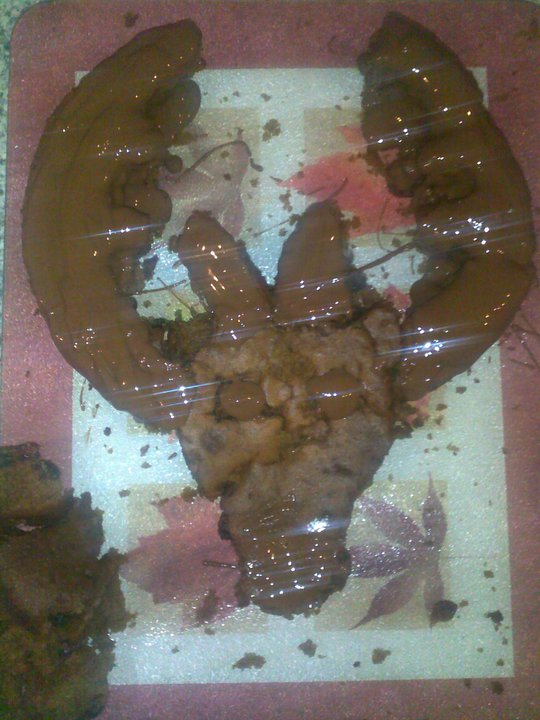
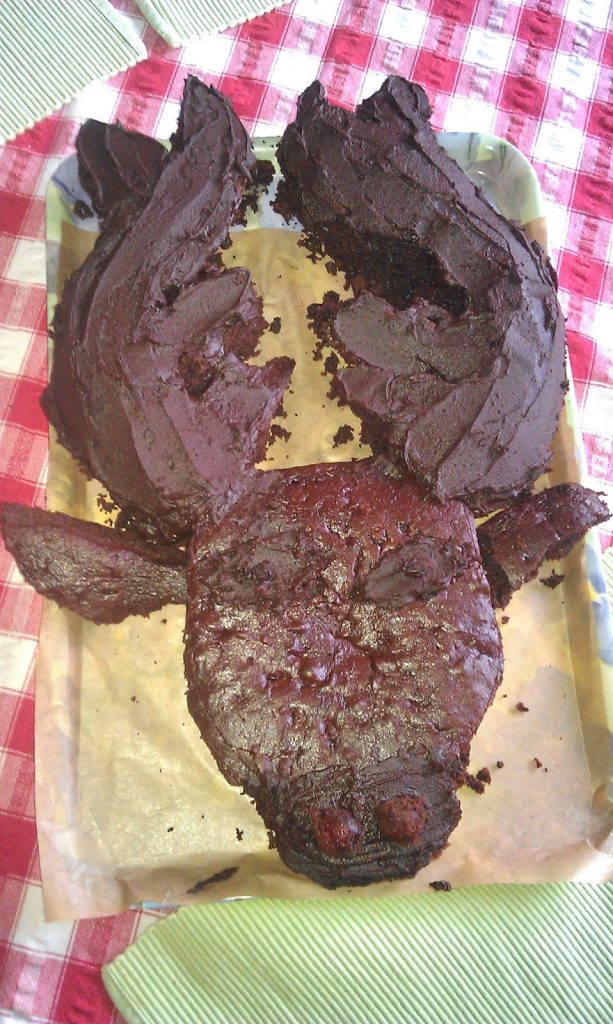
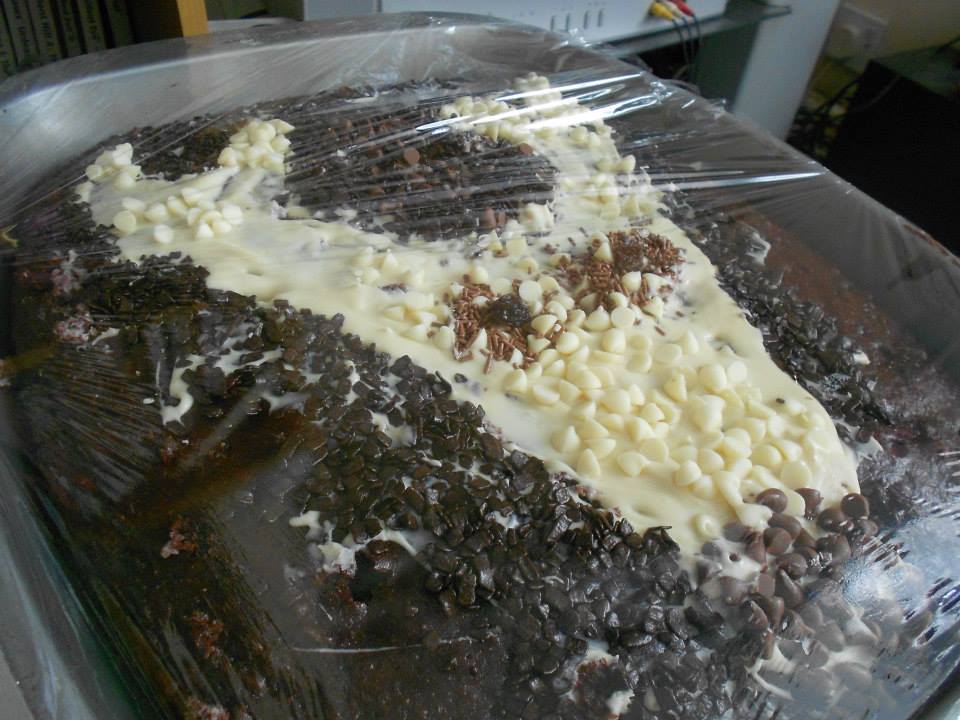
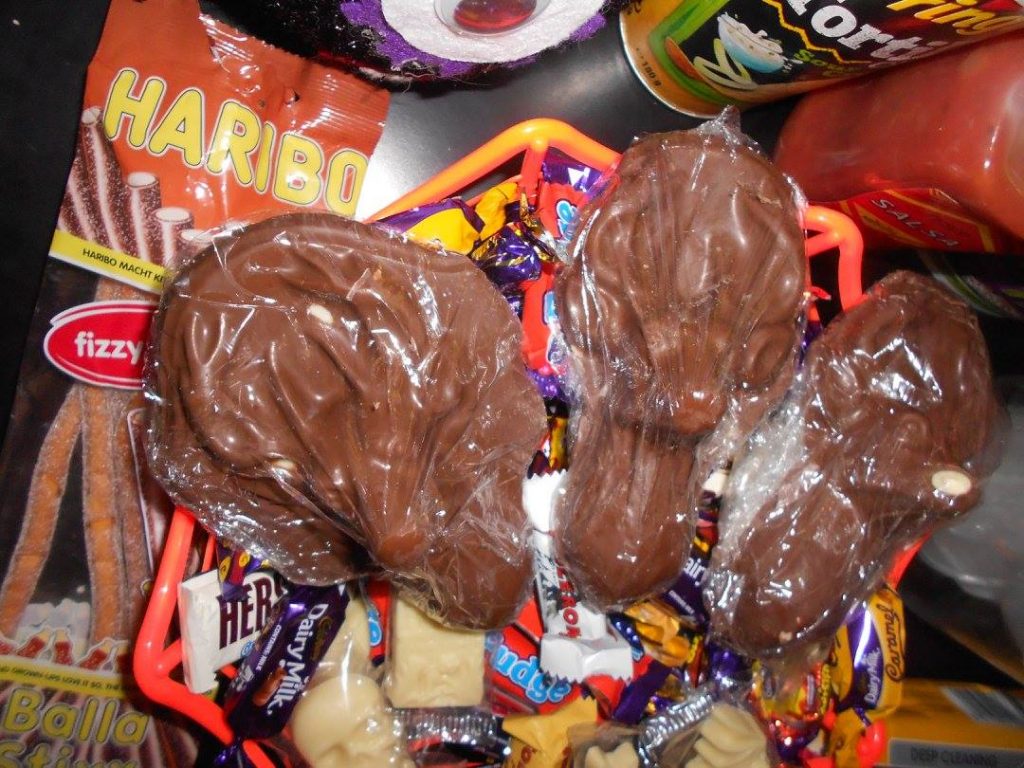
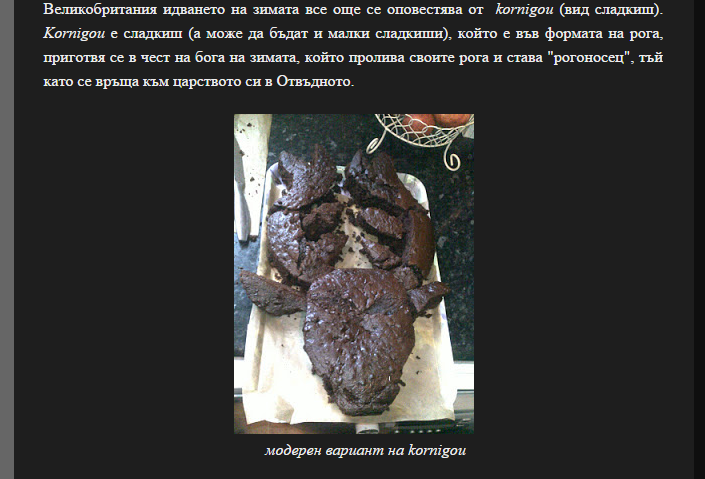
There still don’t seem to be many pictures of these online. Maybe I’m the only person who remembers them. Descriptions online refer to them as “pastries” which is definitely not my experience. But I suppose you could make them out of whatever you wanted.
Ankou
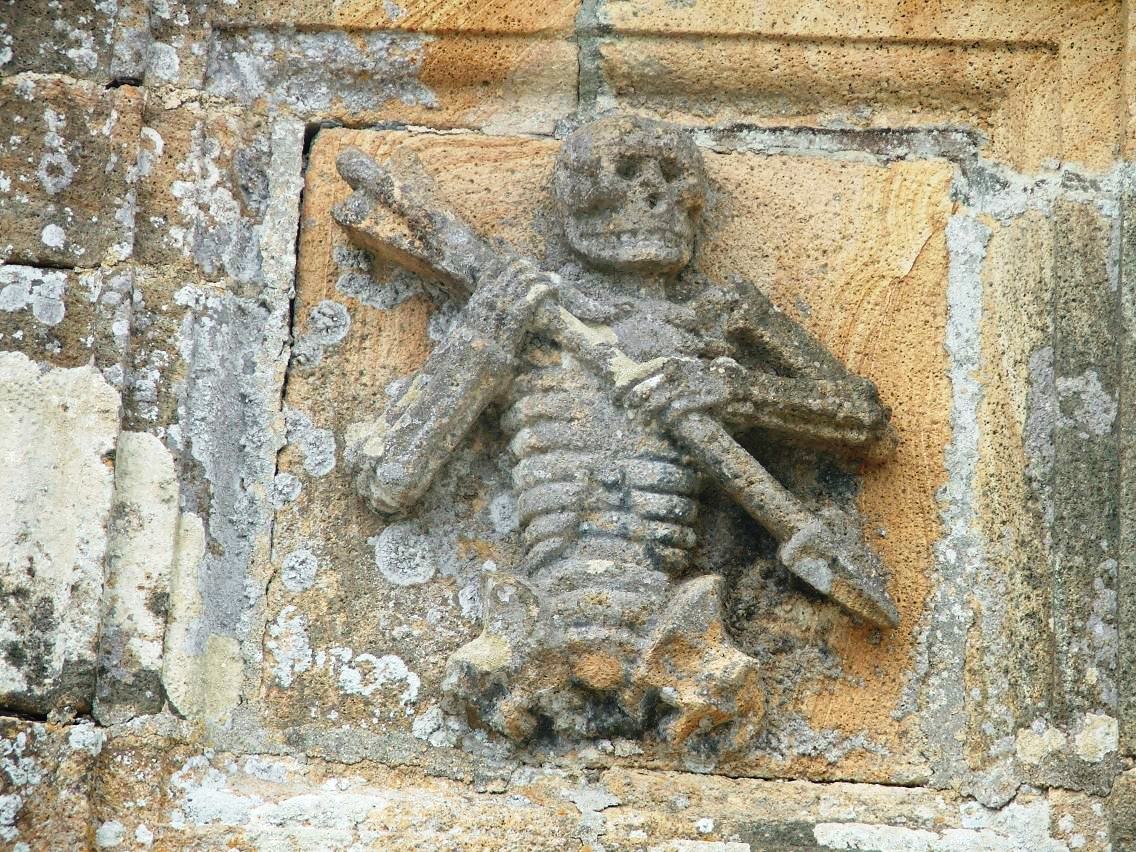
For Bretons, death has a messenger, and it’s the Ankou. A skeleton in a robe, and sometimes a hat, wielding a scythe, and often atop a cart for collecting the dead. This sounds similar to the more universal concept of the Grim Reaper, but an Ankou is not death itself, and each Breton region has its own. It is also said that either the first, or last, dead person of the year (a year which presumably starts at Samhain), may become the Ankou for the following year, so it seems that being an Ankou is a temporary state. But, we can only theorise as living humans, we cannot know for sure until we ourselves die.
Pumpkins and lanterns
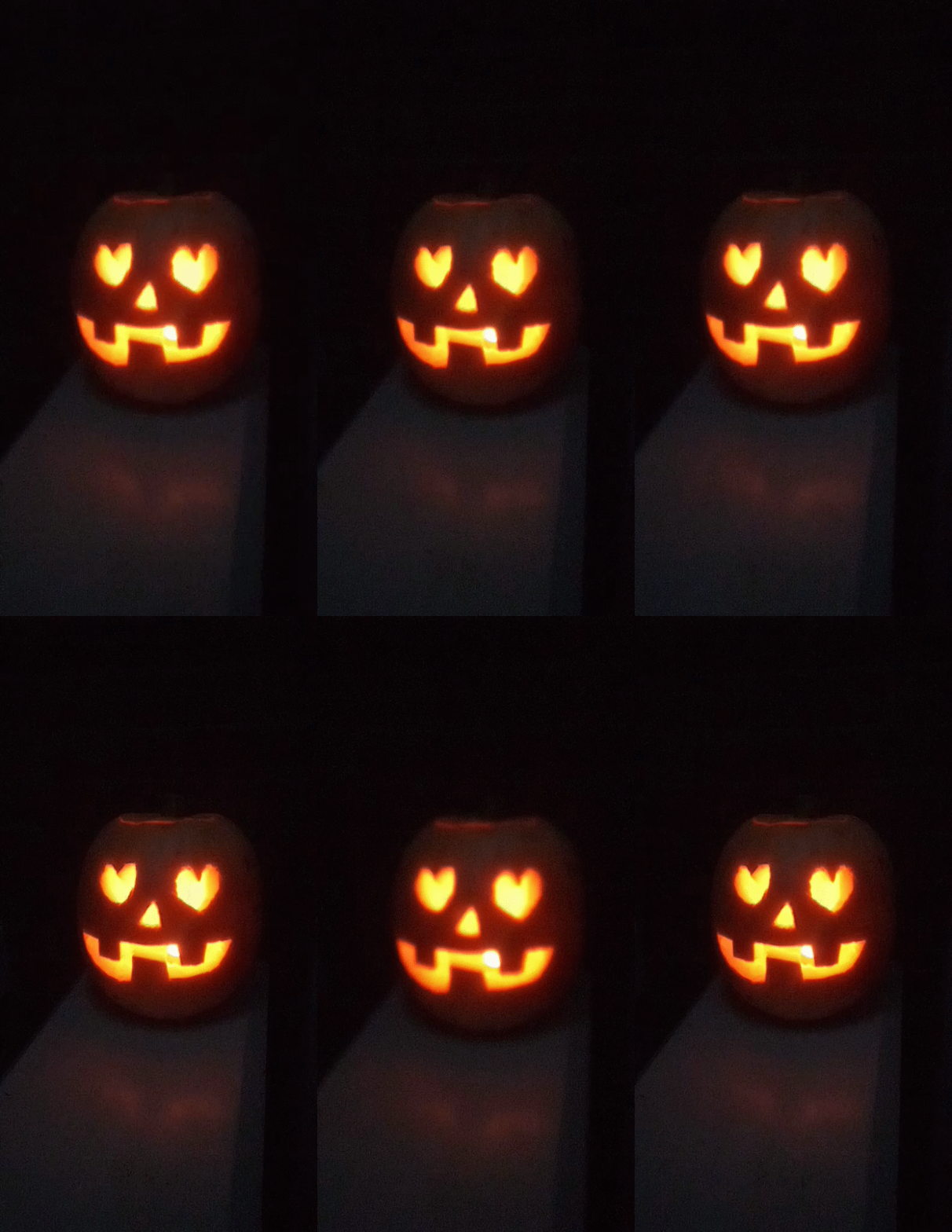
Perhaps my favourite symbol of Halloween and Samhain, ye olde Jack o’ Lantern. It was actually beets and turnips that we used for these at first! These lanterns serve a very serious purpose; the light guides our beloved dead back to us, and possibly onto an afterlife, but the illuminated faces scare off more nefarious entities.
The modern name for these lanterns may come from the legend of Jack o’ the lantern, a drunkard purported to have tricked Satan and, long story short, become bound to roam the earth with such a lantern, in the form of an ember inside of a swede.
At some point, humans realised that pumpkins made better canvasses and lantern bodies. This could have happened when Celtic traditions were brought to North America, and when pumpkins were introduced to Tudor England in the 16th century.
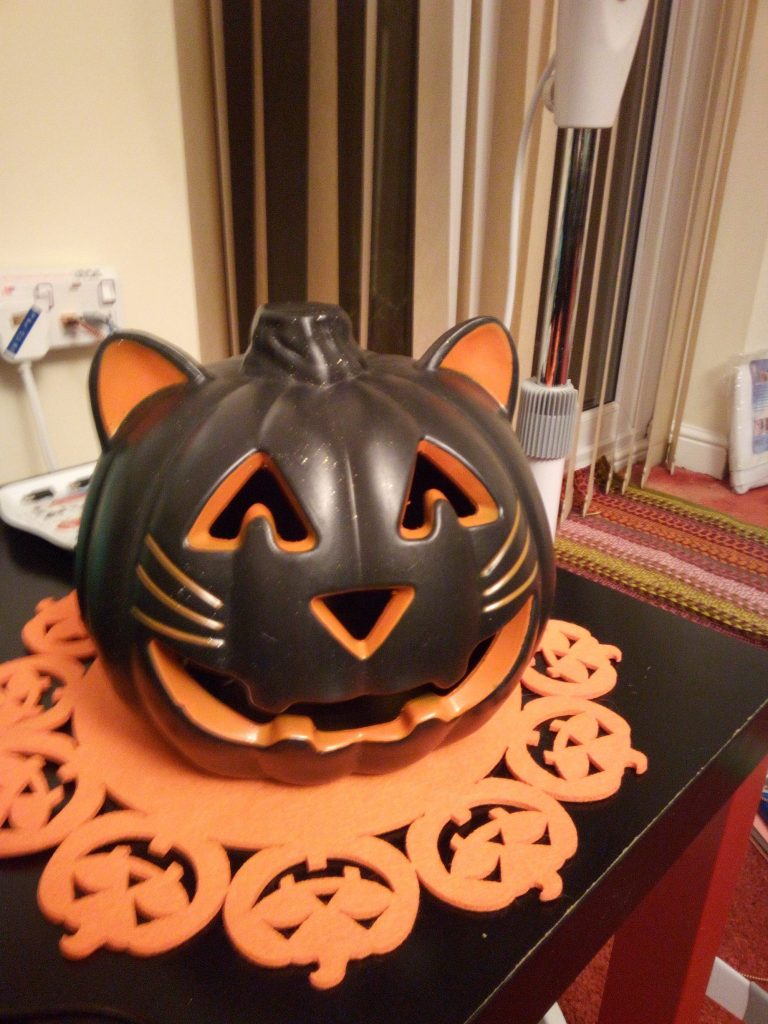
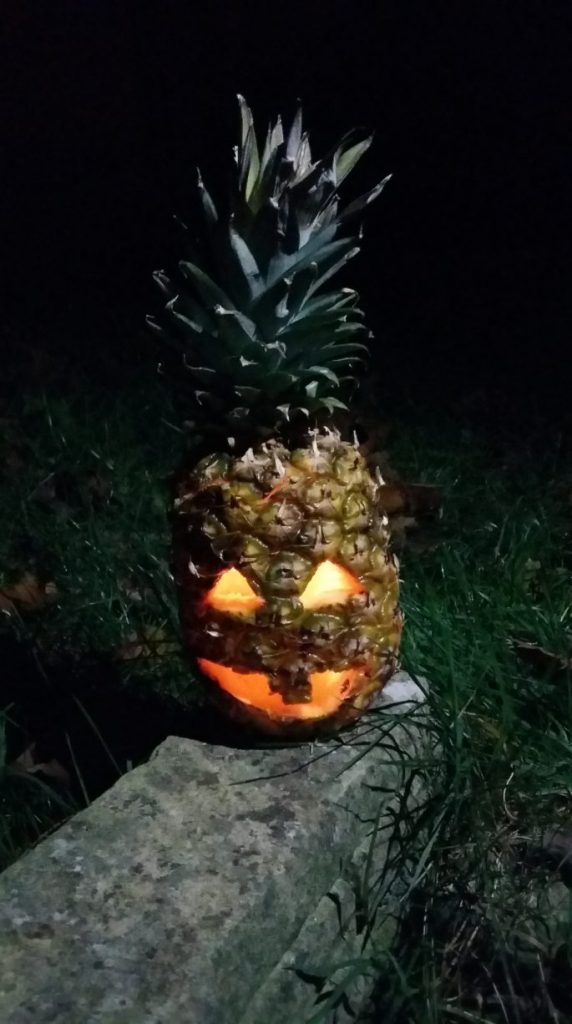
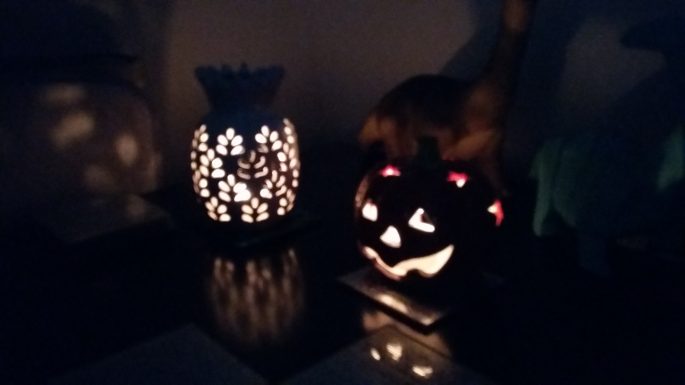
Of course, you can really make a Jack o’ Lantern out of anything. It doesn’t even have to be a vegetable, it could be a metal tin with a face on it. I even have some plastic ones which light up.
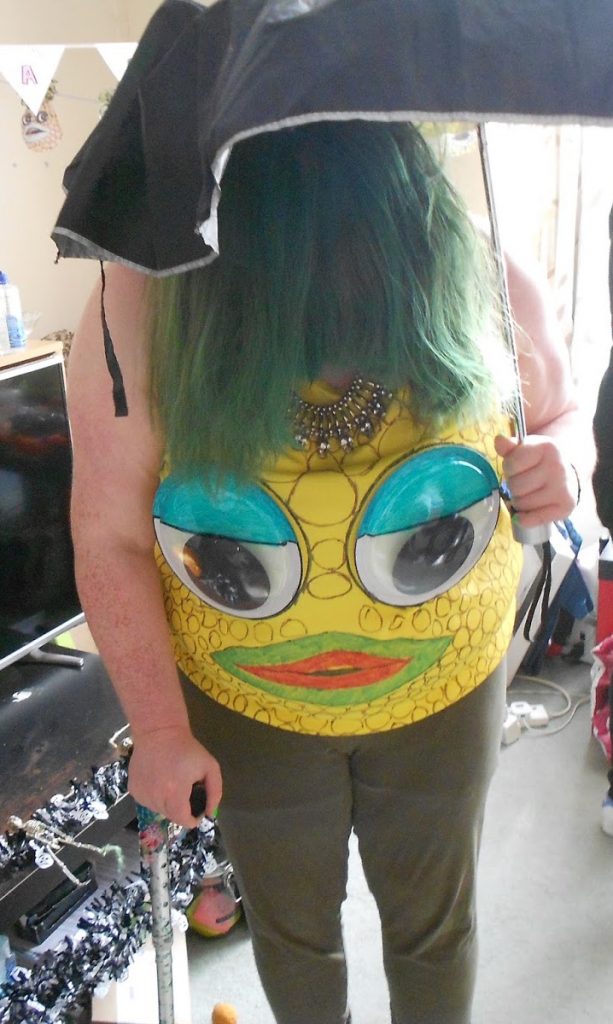
Costumes and Trick or Treating
Going door to door in costume and asking for food in exchange for not causing mischief (jokingly or otherwise), does actually go back thousands of years, although not necessarily in association with Samhain.
In terms of Samhain in particular, this going door to door in costume represented receiving offerings on behalf of the deceased or the entities people were dressed as.
Medieval Christians would go to homes and take soulmass cakes in honour of the dead.
“Mumming” and “Guising” were similar practices, involving going to homes in disguises, and performing or asking for food, with the latter Guising more being practiced by children.
Guising seems to have made its way to North America in the 1910’s and 1920’s. The actual call of “trick or treat?” was apparently originally “tricks or treats,” in Ontario, Canada.
Modern Trick or Treating isn’t quite as prevalent in the United Kingdom as it is in North America, but I think it is slowly increasing. It wasn’t really a part of my life when I was growing up, although I did go a few times with friends who of course were from non-Pagan families, and seeing my people portrayed as non-human fantasy creatures did a bit of a number on the psyche. Perhaps that’s why I always preferred to welcome loved ones into my home for Samhain and Halloween, to watch some movies, contemplate the dead, and otherwise chill out. And I don’t like to be interrupted by Trick-or-Treaters during this time! Plus I am usually the one eating all the candy. Having said that, in the future I would at least like to be coordinated enough to leave a candy bowl out for visitors.
We haven’t done as much for Halloween since the advent of COVID, and also because it is now our wedding anniversary, and my husband prefers for it to be just us together.
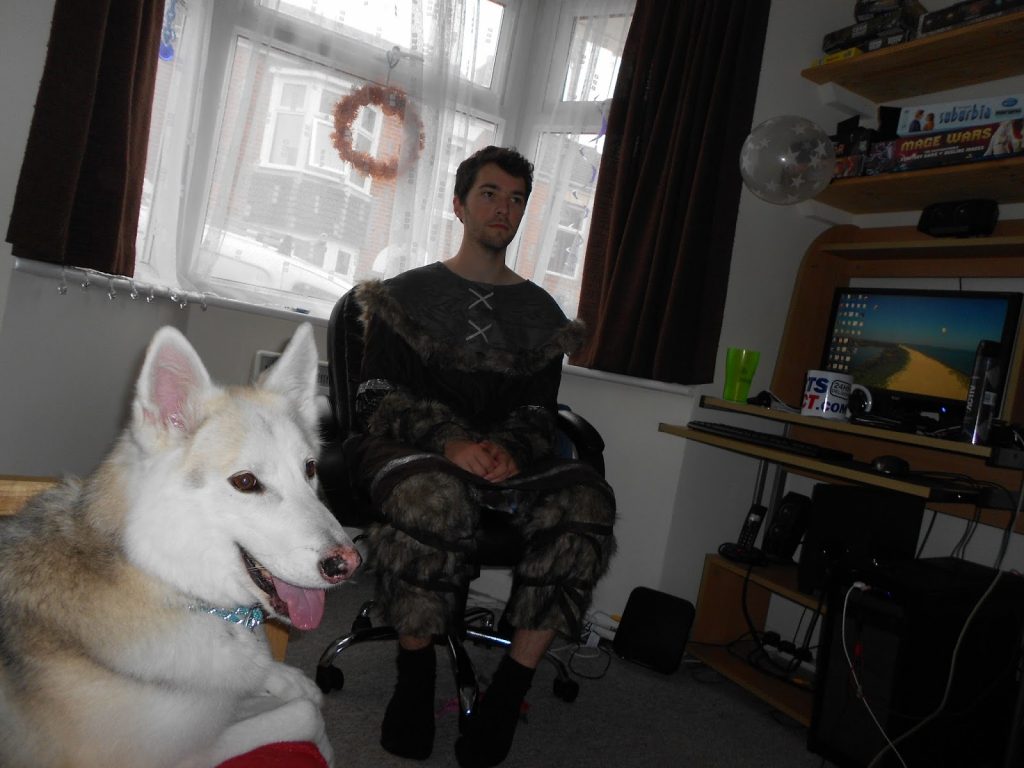
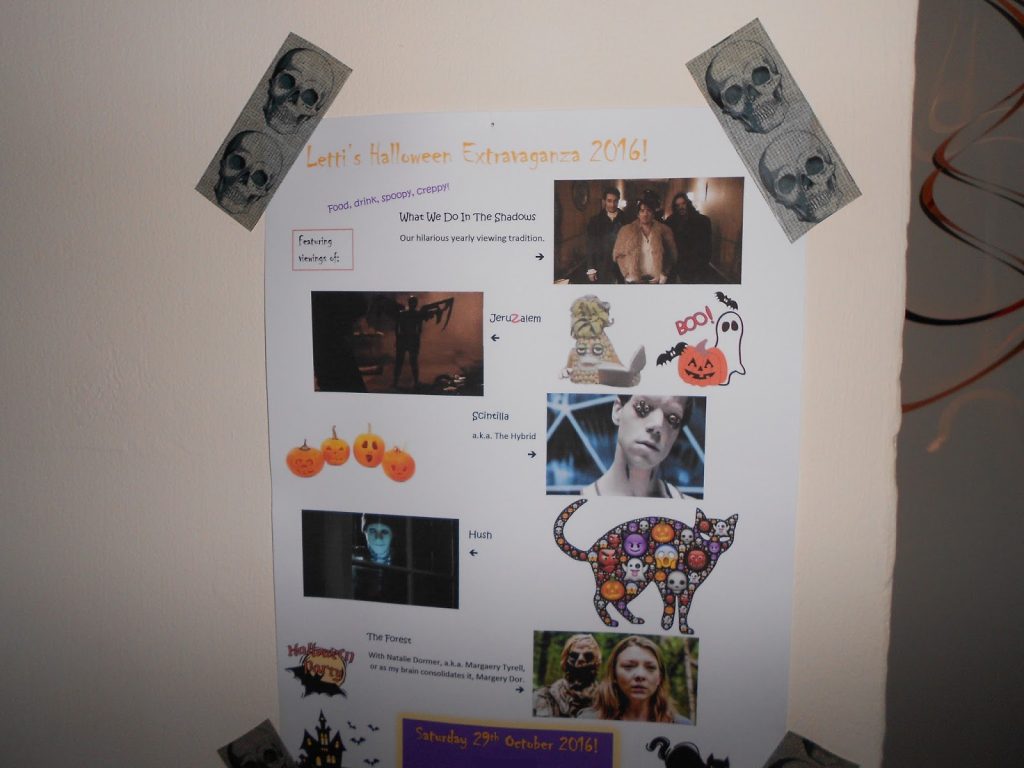
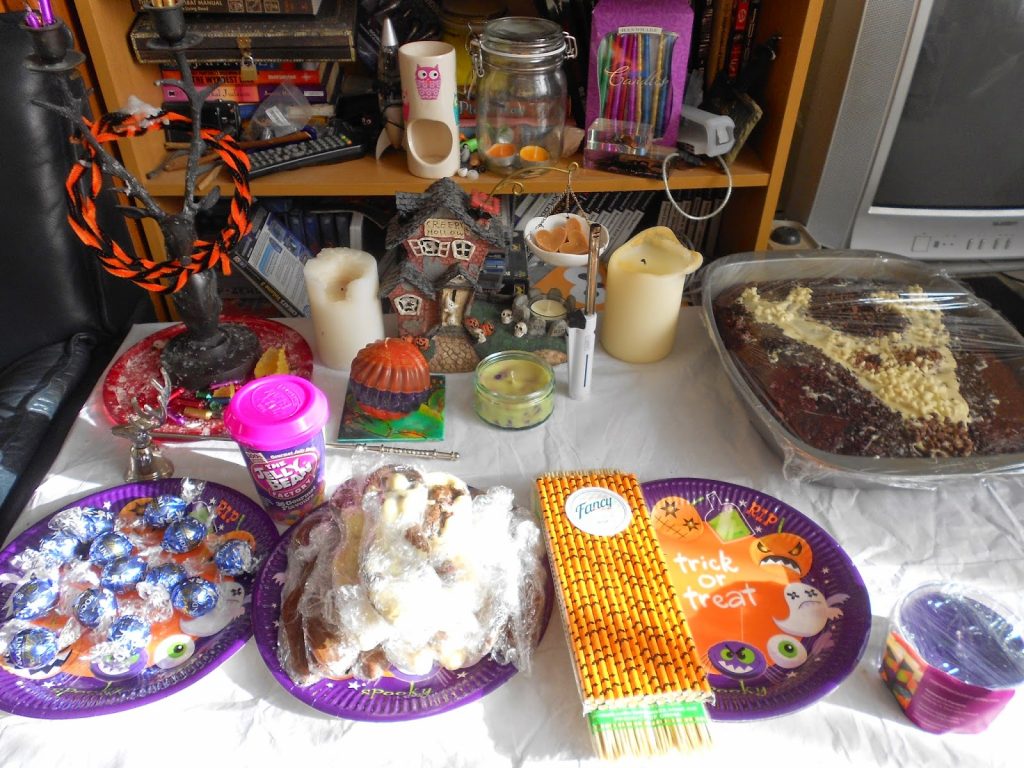
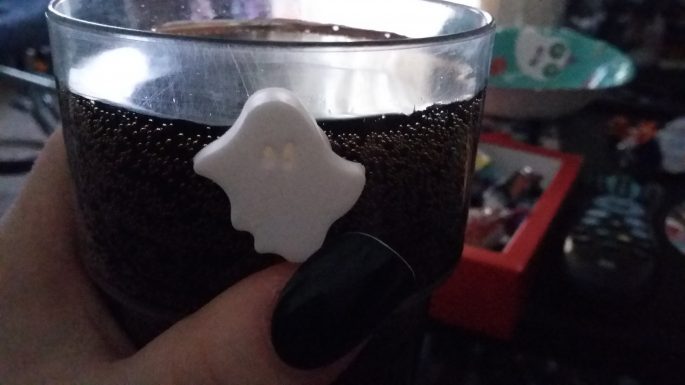
I have also heard of “Trunk or Treating,” a North American phenomenon that takes place at a public car park somewhere like a church, and people receive candy literally from the boots (or trunks) of the cars all parked together. This is deemed safer and more convenient than going around the neighbourhood to Trick or Treat, but it surely lacks some of the magic of touring the neighbourhood on Halloween night.
Decorating through the years
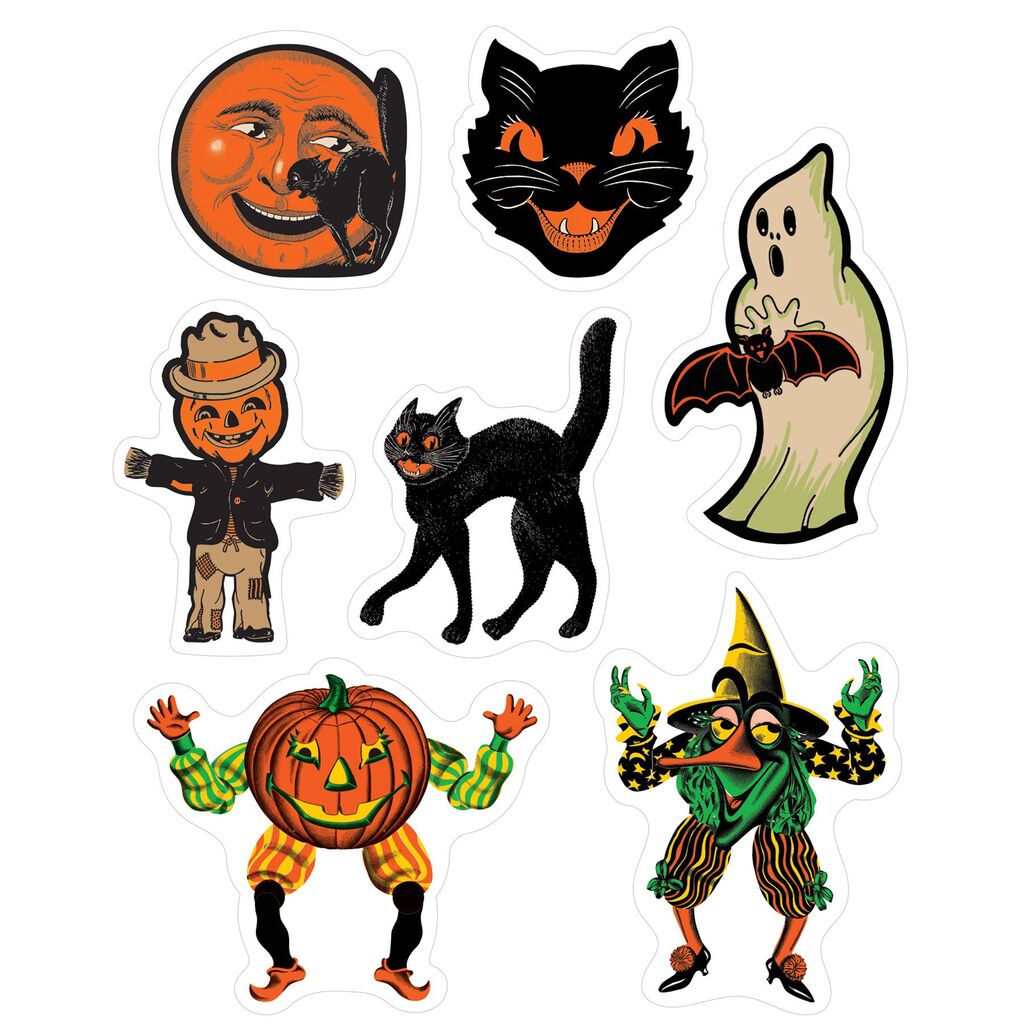
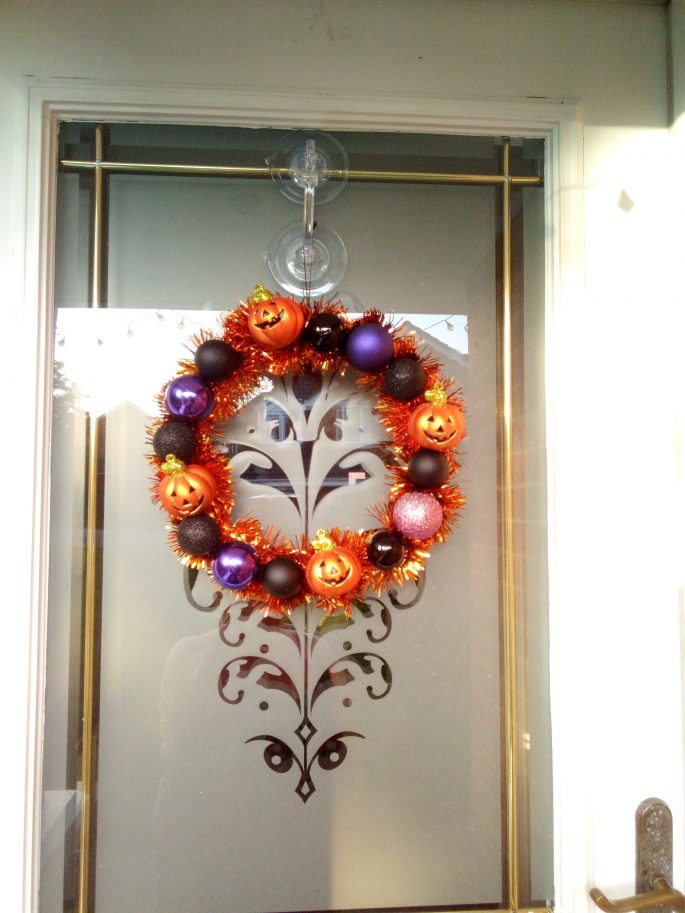
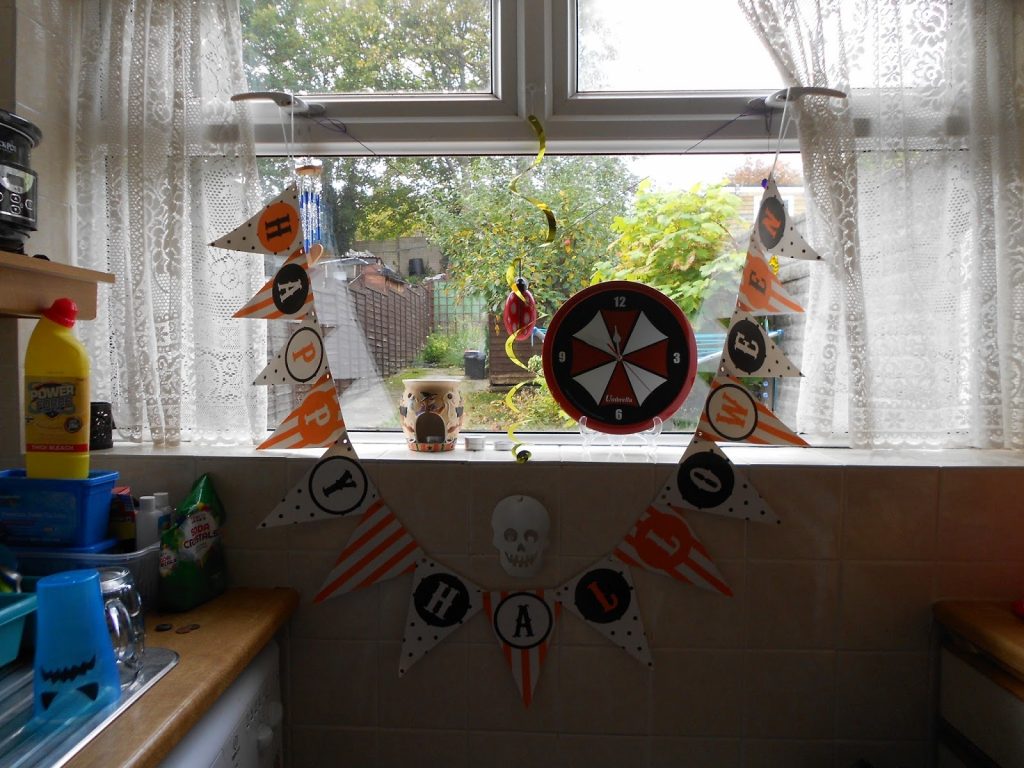
Decorations originally had an apotropaic purpose, but over time, humans began using them for fun, aesthetic, and a little bit of spook. It is hard to pinpoint exactly when we started decorating in the modern sense. Decorations were homemade paper early on, but over time became store-bought and mass-produced.
I have a real soft spot for the vintage blow-mould decorations and MCM cutouts!
In North America, The Dennison Manufacturing Company started making paper Halloween decorations in the 1900’s, and The Beistle Company did so in the 1920’s. It was in 1938 that the Hartford Empire Company bought a blow-moulding machine from the creators, but it would be a good while before blow-mould decorations were widespread.
Related and interlinked holidays
Other holidays are part of the matrix of modern Halloween, including the one from which it derives its name. In Christianity, there is Allhallowtide. This comprises of three days of observances; All Hallows’ Eve, All Hallows’ Day (a.k.a. All Saints’ Day), and All Souls’ Day (a.k.a. The Commemoration of All Faithful Departed). It is All Hallows’ Eve in particular which evolved into Hallow Evening, Hallowe’en, and finally, Halloween. Will it evolve into something else in the future? Perhaps.
Even going back to Samhain, the culture was undeniably shaped by the introduction of France’s Roman Catholicism in Brittany. It is fascinating to have this syncretism in honour of the dead.
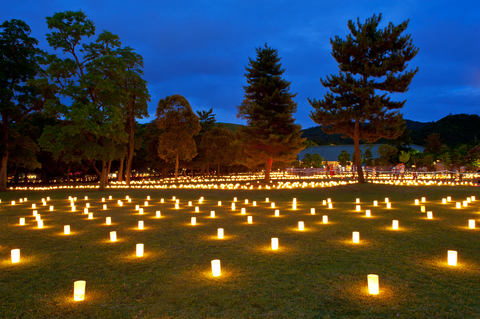
Relating to another part of my background, is a holiday with a similar concept, Obon. This is three days of ancestor veneration in Japan, culminating in the release of lanterns along a river, to guide the deceased home. However, this usually takes place in July or August, and not October. There are other similar festivals across East Asia, such as Ghost Month.
In North America, Dia de los Muertos is an example of another syncretic festival, borne of both Christianity and older customs.
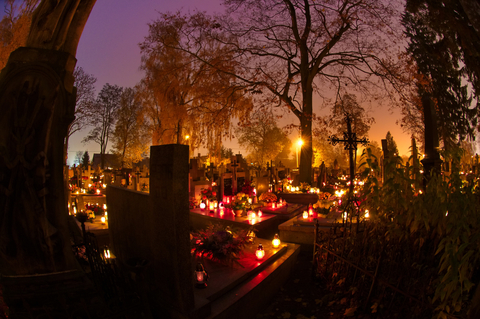
It seems that wherever you go, humans will have some sort of festival for the veneration of the dead. And each one of those festivals could probably have a whole thick book written about them. I am not knowledgeable enough for that.
ID 26237289 © Jaroslaw Grudzinski | Dreamstime.com
ID 20318270 © Filip Fuxa | Dreamstime.com
This is not a scholarly or exhaustive article. I do not know everything about everything. I can only speak to my own experiences. I grew up Pagan, but I also ethnically belong to other things, and am best described as an Omnist. I have clunkily tried to explain my religious outlook in the past. But no matter how syncretic I get, Halloween continues to be of utmost importance to me.
We even got married on Halloween, because I couldn’t imagine a more magical day for it.
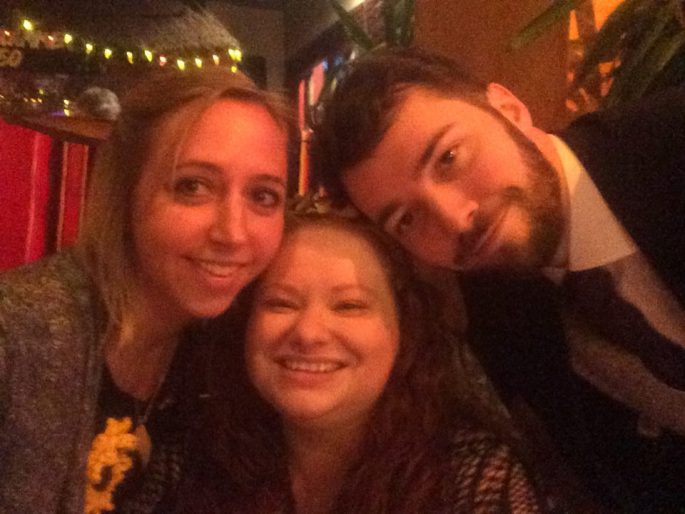
It is a truly holy day, with a palpable electricity in the air that I wish everyone could feel. I hope I will one day soon get to experience the magic of an authentic modern suburban American Halloween, complete with candy corn!
Long live Halloween.

- A Spooky Crew wedding! - October 14, 2026
- I’ve got a fever, and the only prescription is more horse - September 15, 2026
- A whole year of Naboo! - August 9, 2026